Drawing and technical clarification
Confirm drawings, key dimensions, tolerances, material requirements, surface finish, revision changes, and unclear technical assumptions before the factory proceeds.
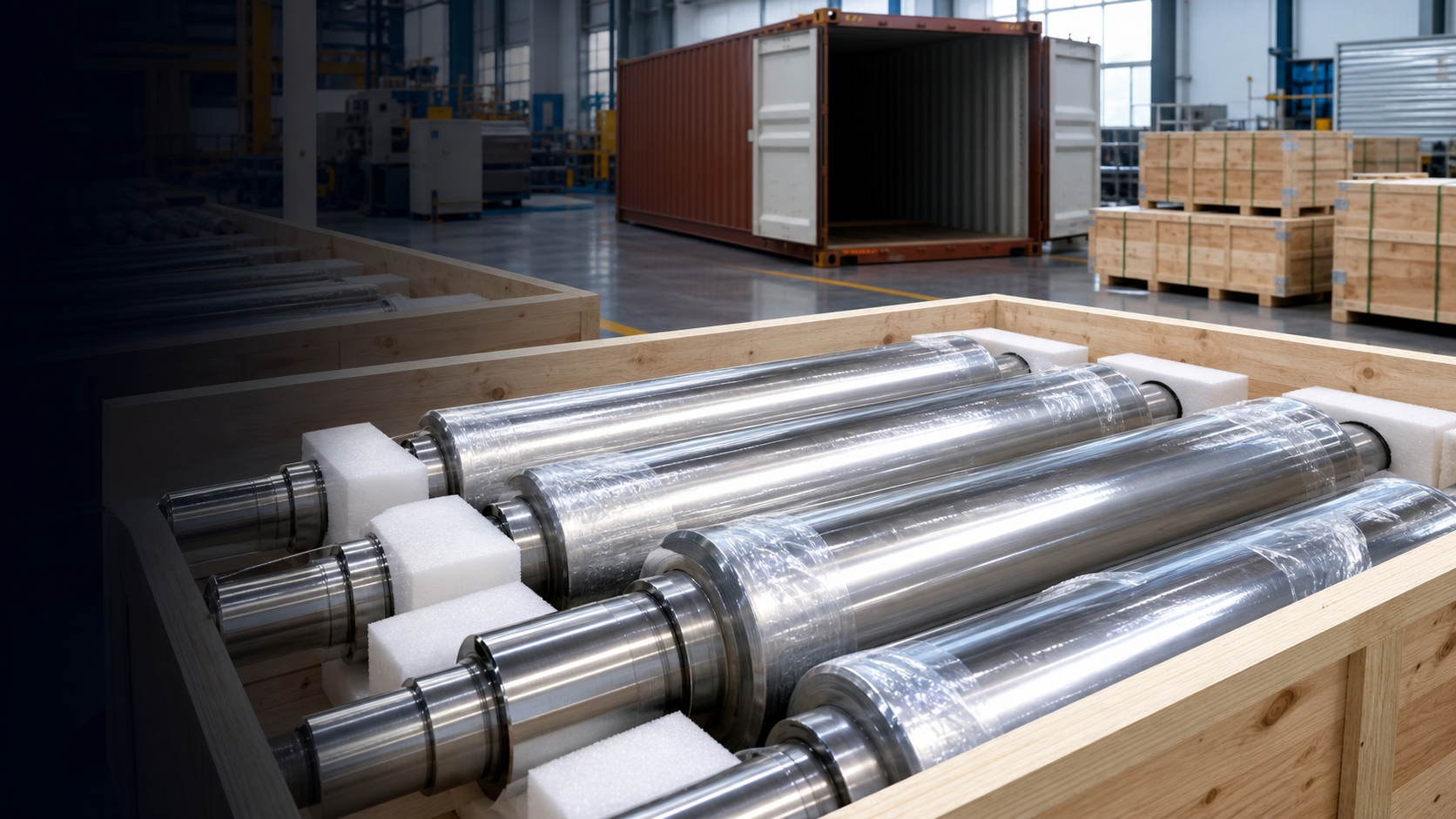
Factory communication support for U.S. industrial buyers
I help U.S. companies keep China factory communication, drawings, samples, production details, inspection points, packaging requirements, and shipment follow-up under control.
Factory execution
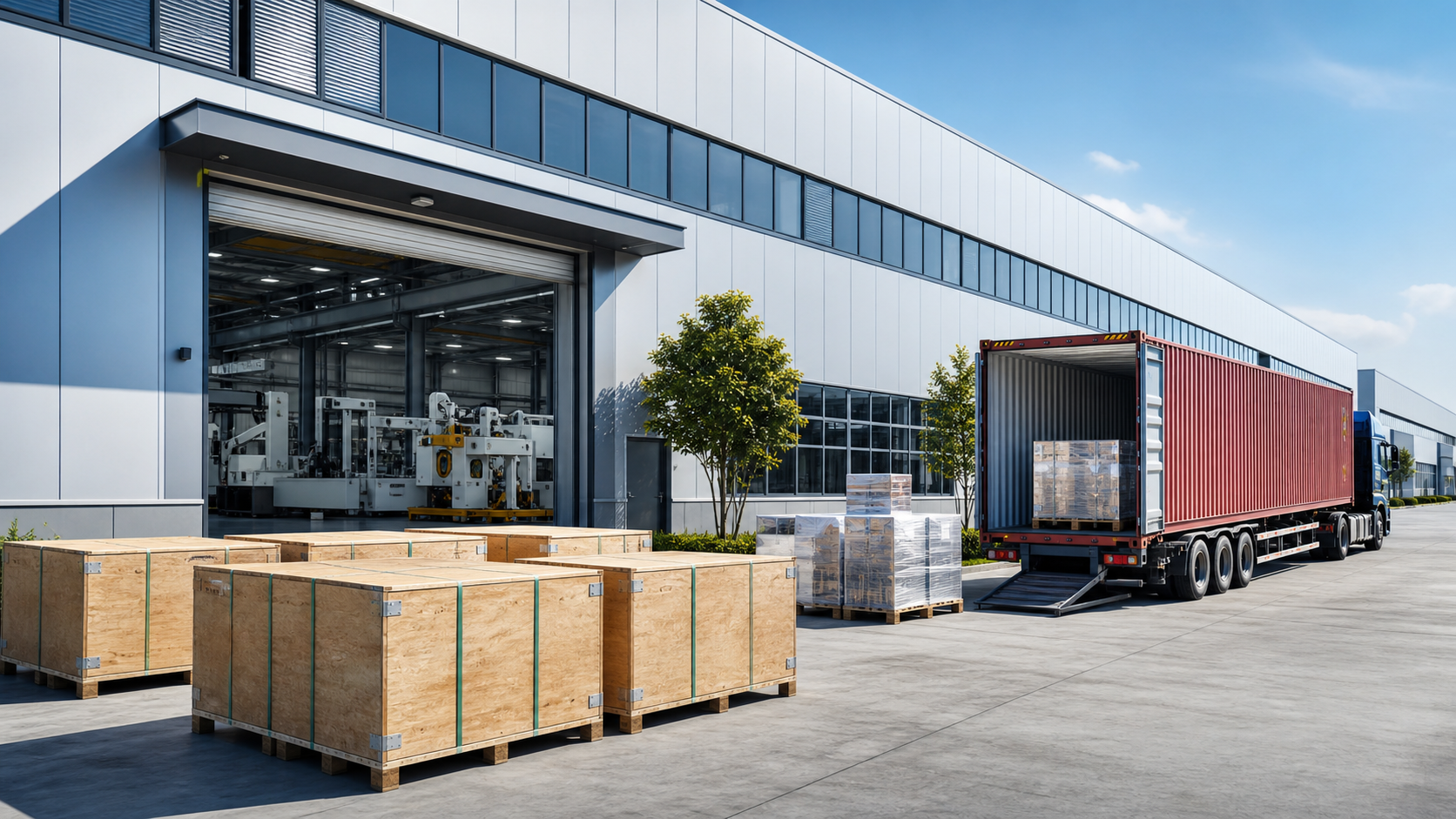
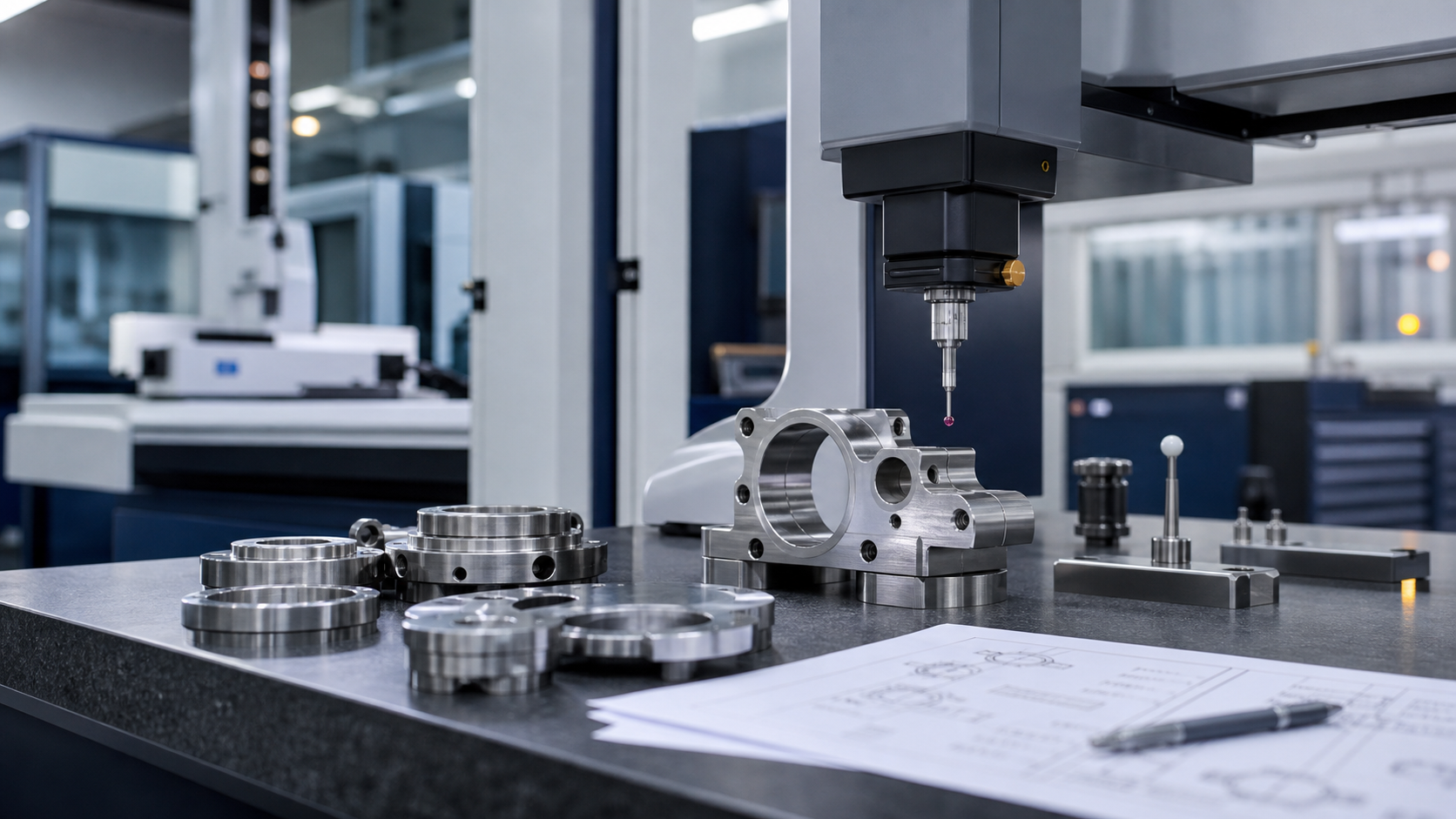
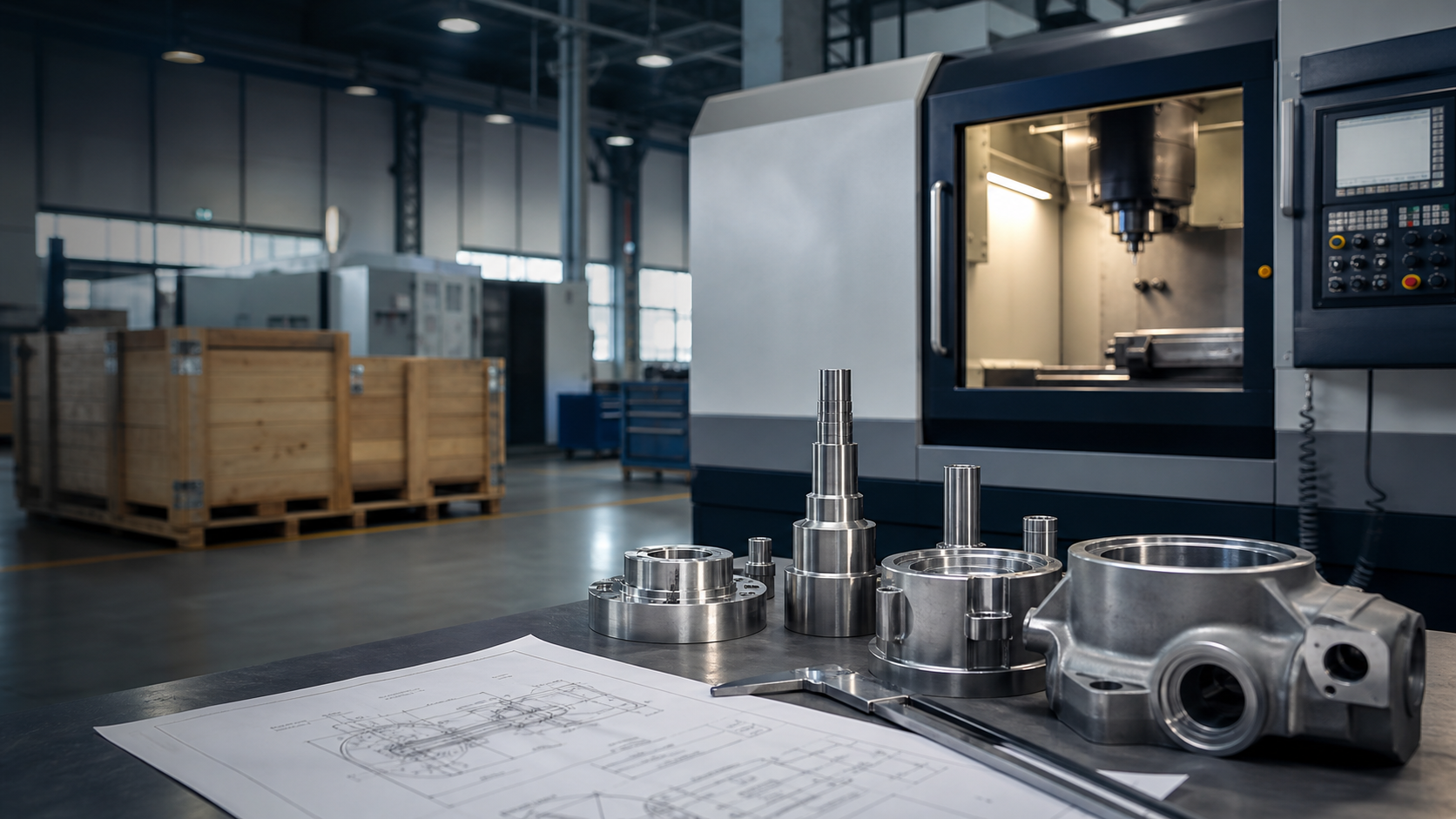
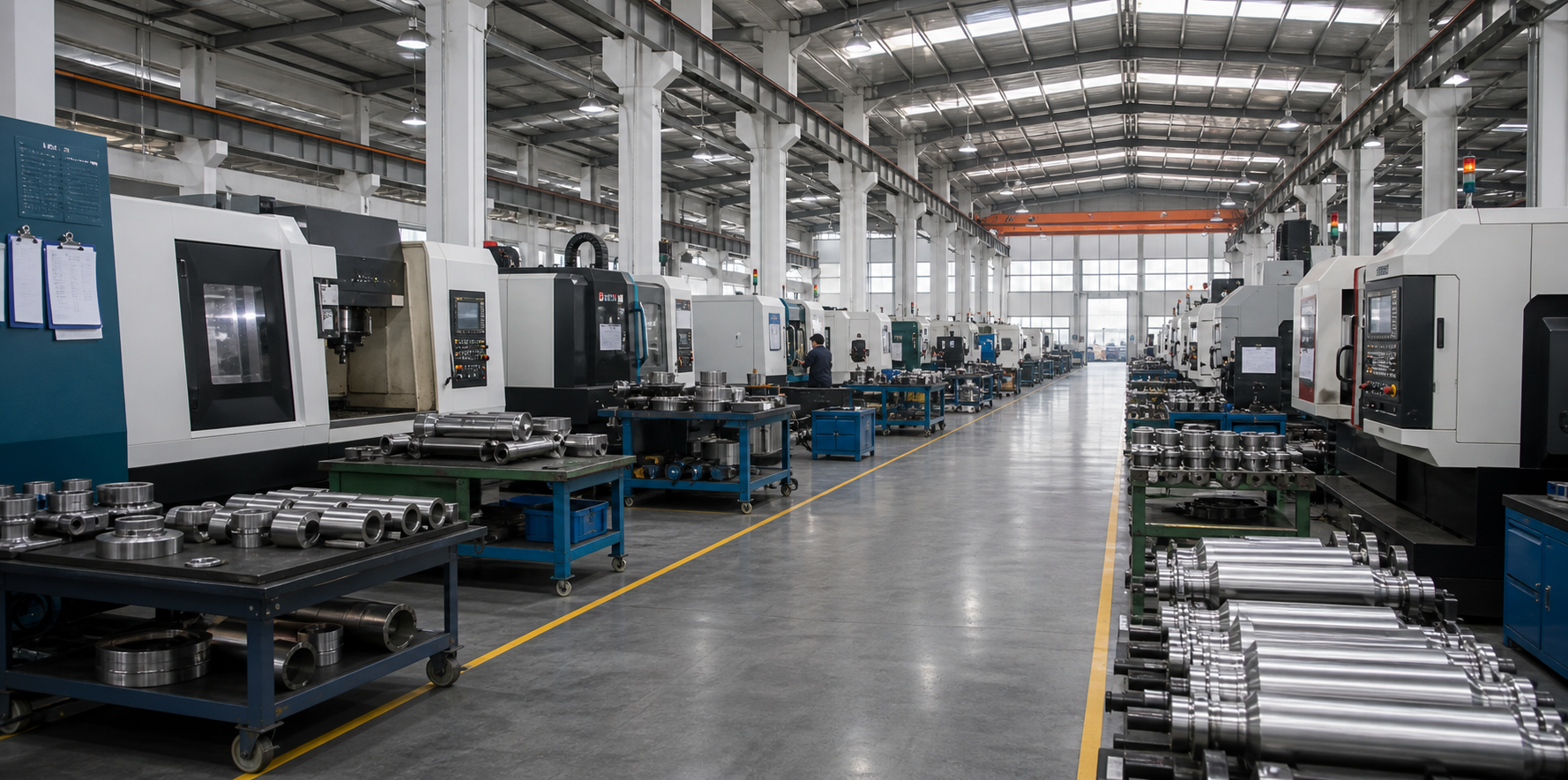
Factory coordination is easier to understand when the buyer can see the production context: what is being made, how it is inspected, how it is protected, and whether it is ready to ship.
Why it matters
For industrial and mechanical products, the purchase order is not the end of the sourcing process. Drawings, tolerances, sample feedback, material choices, inspection points, packaging methods, and shipment details still need practical communication with the factory.
A supplier may have good equipment, but if technical assumptions are not clarified early, the buyer may face sample delays, inconsistent mass production, packaging damage, or unexpected rework.
What I coordinate
Confirm drawings, key dimensions, tolerances, material requirements, surface finish, revision changes, and unclear technical assumptions before the factory proceeds.
Coordinate sample feedback, production questions, approval status, change requests, and practical next steps between the buyer and the China factory.
Help define what should be checked before shipment, including dimensions, fit, surface, hardness, packaging, labeling, and functional requirements.
Review export packaging assumptions, product protection, crate or carton structure, labels, quantity checks, and shipment photos before goods leave the factory.
Common factory risks
Factory understands the drawing differently from the buyer
Sample approval details are not carried into mass production
Quotation scope is unclear: material, packaging, inspection, or export handling
Key dimensions or tolerances are not checked before shipment
Supplier replies slowly after the purchase order is placed
Production delay is reported too late for the buyer to react
Packaging is not strong enough for sea freight or warehouse handling
Material substitution or process change is not explained clearly
Product fit
Factory coordination is most useful when the product has drawings, dimensions, materials, assembly details, packaging risks, or supplier communication issues.
Heavy duty rollers
Conveyor system components
CNC machined parts
Mechanical assemblies
Stainless steel components
Industrial hardware
Custom fabricated parts
Replacement supplier projects
Example case
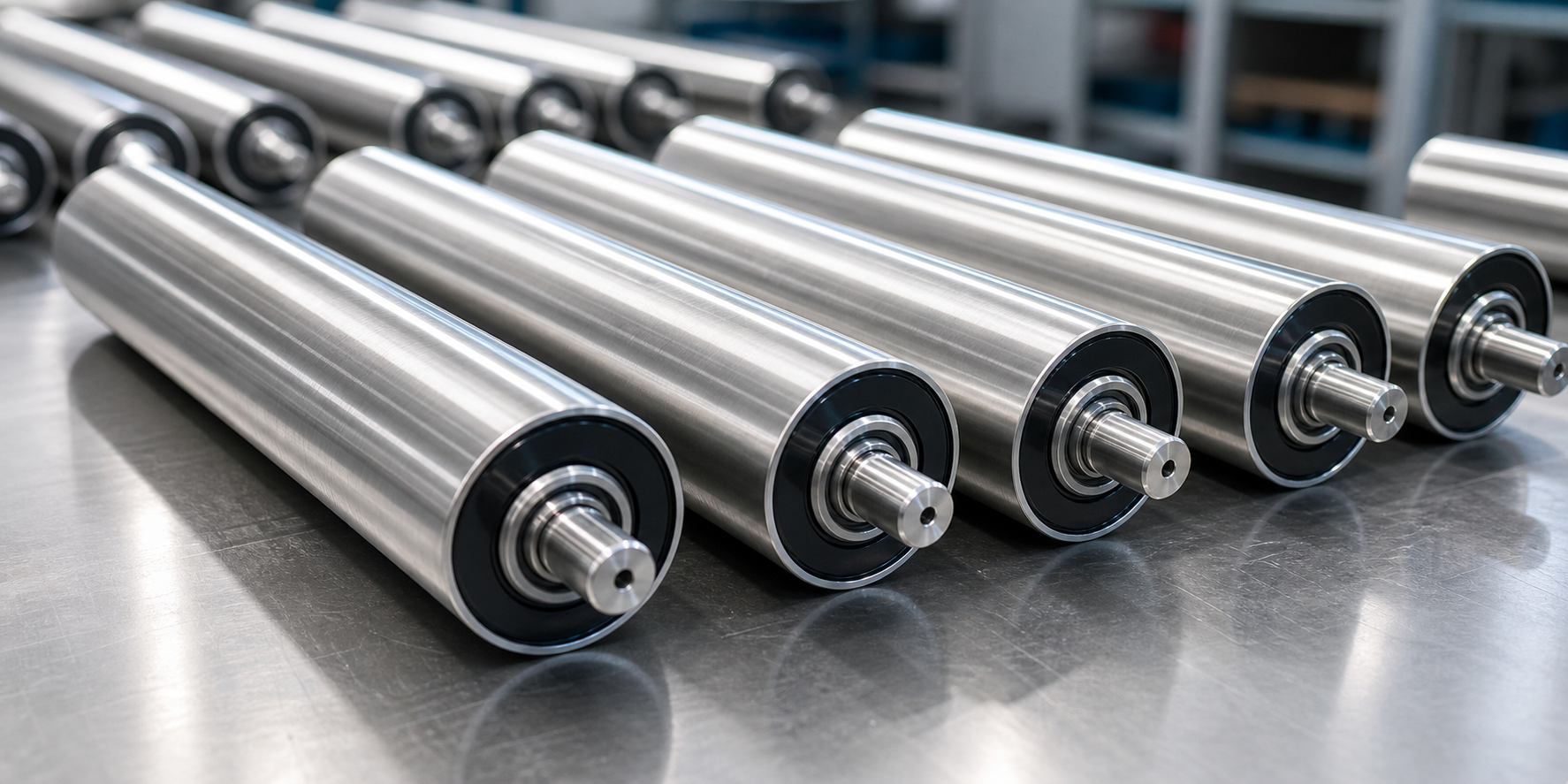
In a roller-related project, coordination was needed around structure, material assumptions, supplier communication, packaging, and cost direction. A design alternative using an SS304 shaft and A513 steel tube helped reduce estimated cost while protecting the required function.
How I work
Review drawings, product photos, samples, or current supplier problems
Clarify critical dimensions, materials, tolerances, surface finish, and function
Communicate practical production and inspection points with the factory
Follow up sample feedback, production status, photos, packaging, and shipment details
Identify risks early and help the buyer decide whether to proceed, correct, or pause
Contact
Send drawings, product photos, supplier questions, sample issues, packaging concerns, target price, annual quantity, or current factory communication problems.